
Reflections on the manosphere
Toxic online influencers prey on social corrosion

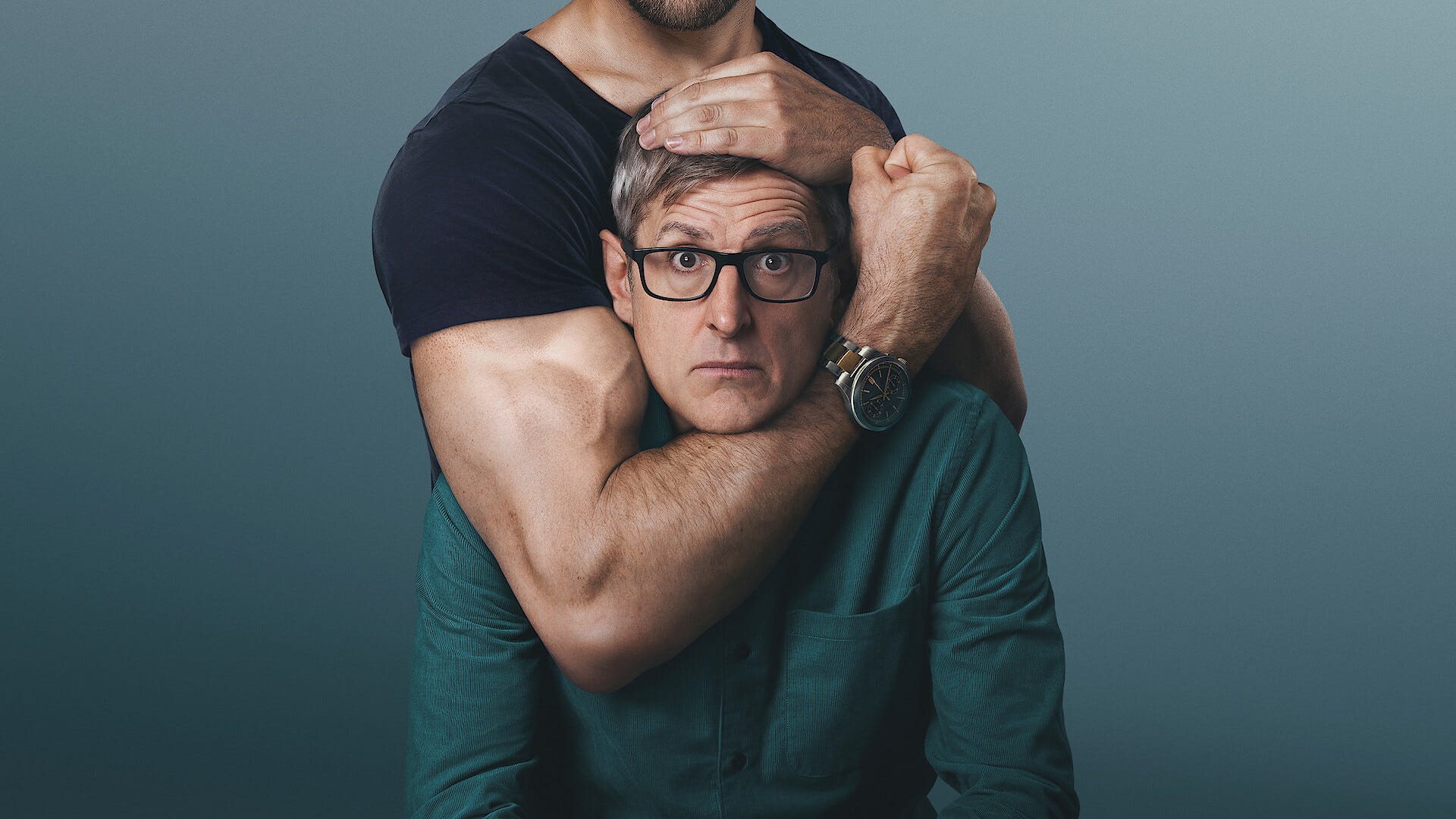
Inside the Manosphere is a painful watch. Painful not only to witness its subjects’ overt misogyny—I went into the documentary expecting as much. But painful too to see lost young men steering other lost young men in all the wrong directions.
The popularity of the online influencers filmmaker Louis Theroux interviews makes one thing clear: Demoralized non-college (and some college) educated young men are searching for role models who will give them a road map to the good life. What they find online are muscular, rich, swaggering bros bragging about their money, their sex appeal and the scantily dressed babes on their arms. The good life, according to these false prophets, is all about scoring: Sex, money, status — the holy trinity that any “real man” should aspire to. These guys make Jordan Peterson look like a sage.
Gone are the days when becoming a “union man” or self-reliant farmer who works hard and provides for his family was the ticket. That lifestyle had its downsides (for women too) but, compared to Ubering strangers around by day and pumping iron at night at the gym, it was god damn utopian.
I don’t expect I’ll ever hear a manosphere influencer suggest to their followers that they coach a little league team, join the Rotary club, become a Big Brother to a young boy, grow a community garden, spend more time with their kids, or help out their parents or other elders. The manosphere is preoccupied with individual mano al mano competition, a war of every man by himself, for himself. There is no conception of a life well lived in community, but rather a series of conquests for women, money and status. In that context, volunteerism is for losers.
Like Trump, manosphere influencers have a knack for igniting people’s desire to regain lost status or, as sociologist Arlie Hochschild calls it, “stolen pride.”
Trump helped those same poor and working-class white people feel proud and seen again. He talked about national pride and Making America Great Again. His voters feel that language and take it personally. Yes, Trump is lifting them up psychologically and emotionally by putting other people down — in particular, nonwhites and others deemed by him and the right as not being "real Americans." But that psychological and emotional wage in the pride economy is very real and very powerful — sometimes, even more than the wages paid in the material economy.
I don’t hate these influencers. I don’t think Louis Theroux does either, and I commend him for not creating rage bait content. For as much social and political damage as manosphere all-stars have done, they themselves seem damaged, their “living the dream” shtick transparently phony to anyone not starved for mentorship. Underneath the mask of grins and boasts is an emptiness, an existential dread, an almost-recognition that they are deluding themselves, squandering their young lives on things that don’t matter, don’t help anyone, and will never make them happy. That’s what I see anyway. Maybe they’re happy and fulfilled. Maybe.
It’s all very sad and I don’t know what the solution is. Young people need role models, but who and through what mechanism? Civic life is anemic; algorithms steer viewers toward toxic and vapid content, not Big Brother, Big Sister picnics; and individuals are preoccupied with their own survival in an increasingly precarious economy. Who of wholesome character has the time or wherewithal to become mentors? And will they be rejected as square fuddy duddies who use words like fuddy duddy?
Online influencers, be they sexist bros, trad wives, or social justice posers competing in the Oppression Olympics, occupy the void once filled by clubs, benevolent associations, churches, and labor unions. Whereas the latter gave people opportunities to meaningfully engage in collective action, the former proffer a cheap substitute that is equal parts sugar and saccharine. We can’t thrive on this stuff. I’m not sure we can live at all on it.
Our broader social set-up, designed to serve the relentless craving of financier capitalism and its need to ever-expanding GDP, makes this sort of inevitable. Spending time caring for people, whether family, friends, or strangers, does not boost GDP. Competition for sex, money, and prestige does. Thus the media are incentivized to echo and reinforce the empty commercialist Broness. https://laboristmovement.substack.com/p/the-harm-that-the-financier-economy?r=2gg9iv&utm_campaign=post&utm_medium=web The female commercialist influencers serve the same gods of commerce, just with a different spin. One of my law school professors, Clyde Ferguson, had been US ambassador in one of the African countries and observed that they noticed the locals who visited the embassy were particularly drawn to Playboy magazines. They assumed this was for the obvious reason but made a study of it and found that no, they were focused on the advertisements for that commercialist Bro lifestyle. It is a powerful force.
I don't know who these 'influencers' are, but acknowledging that hypergamy exists isn't 'leading men astray'—it’s simply observing reality.
You pathologize men for noticing the obvious incentives of hypergamy, and then offer union membership as the cure. Truly bizarre.